-
How Clear Sign Packages Reduce RFIs and Change Orders
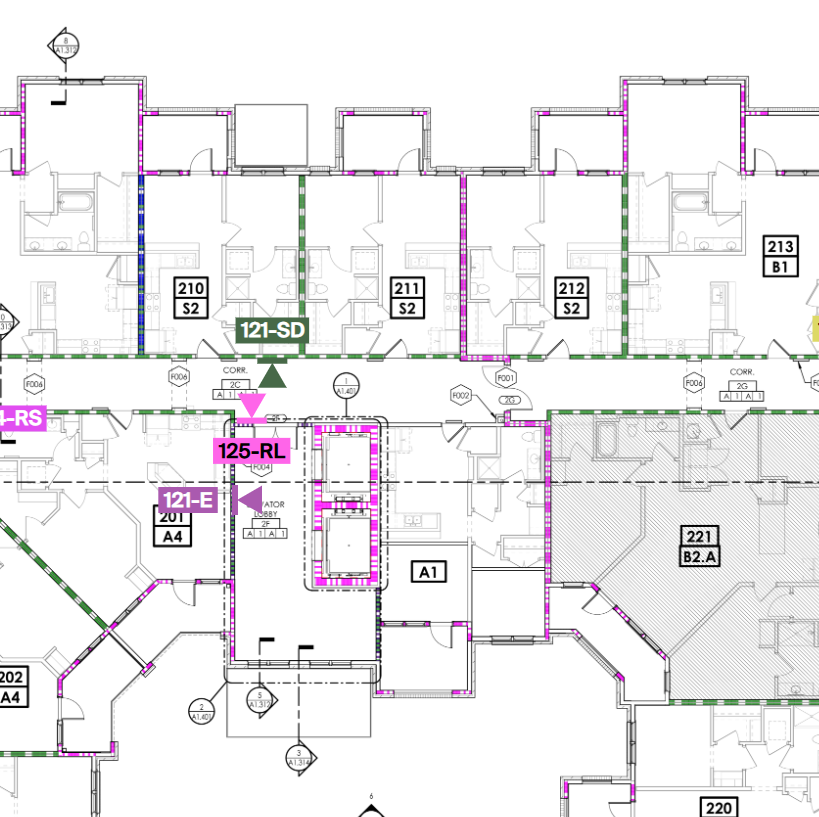
Ask anyone who has closed out a construction project: unclear signage is one of those lingering issues that shows up late and costs more than it should. Clear, well-coordinated sign packages change that. Where Signage Typically Falls Apart On many projects, signage gets pushed to the end. That can lead to: The result? RFIs, last-minute…
-
From Sketch to Sign: How We Develop a Concept
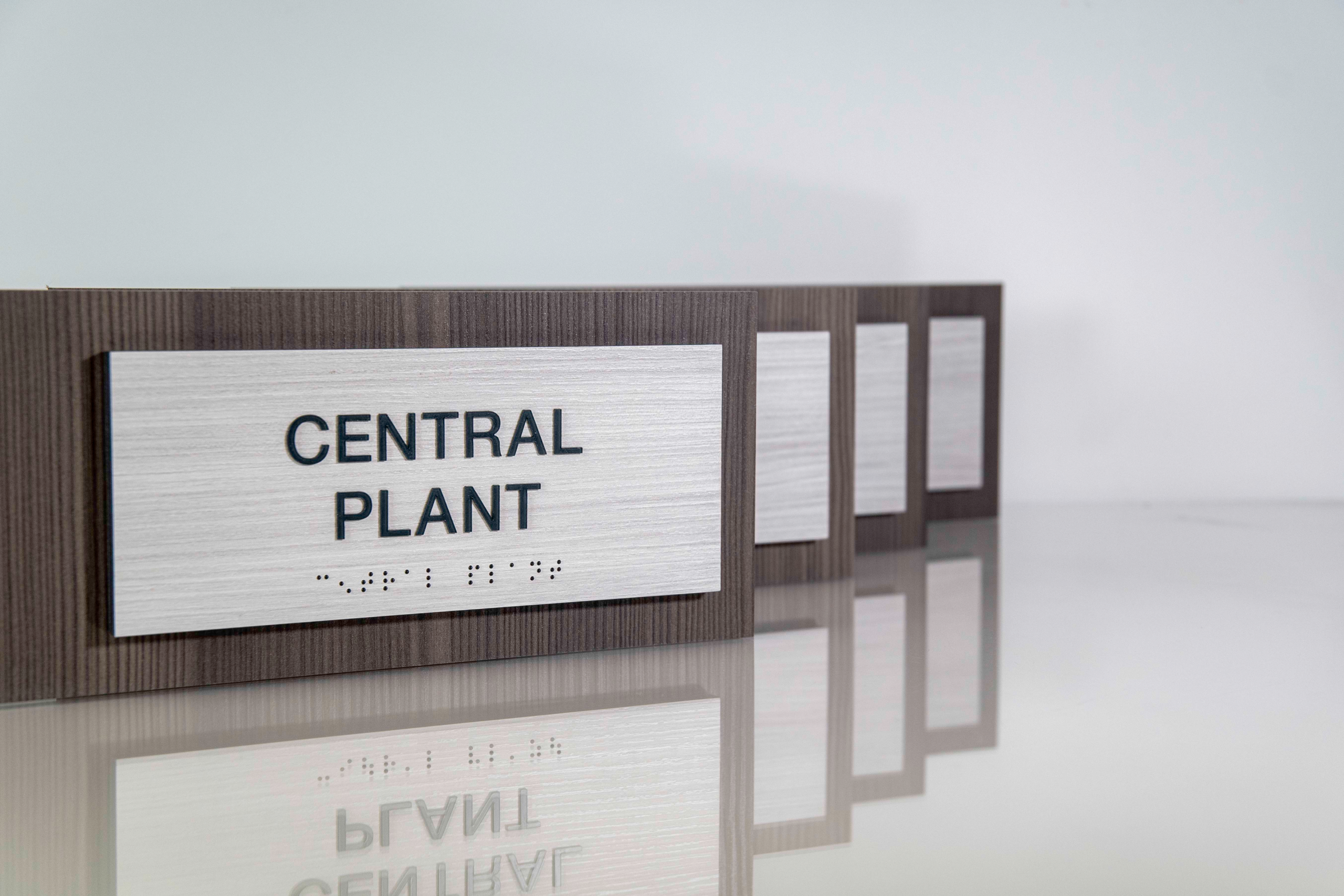
When most people see a finished sign, they see a logo on a wall. We see the trail of decisions that got it there. At Signitects, every sign starts with a concept that balances brand, architecture, and reality in the field—and that process is where the magic (and the strategy) lives. Step 1: Understand the…
-

Aluminum, Steel, or Acrylic? Choosing the Right Material for Your Sign
Choosing the right sign material isn’t just about looks—it affects cost, durability, maintenance, and even how your brand is perceived. Three of the most common materials in architectural signage are aluminum, steel, and acrylic. Each has a lane where it shines. Aluminum: Lightweight and Versatile Aluminum is the workhorse of exterior and interior signage. It’s:…
-
How Detailed Drawings Saved This Multi-Tenant Project
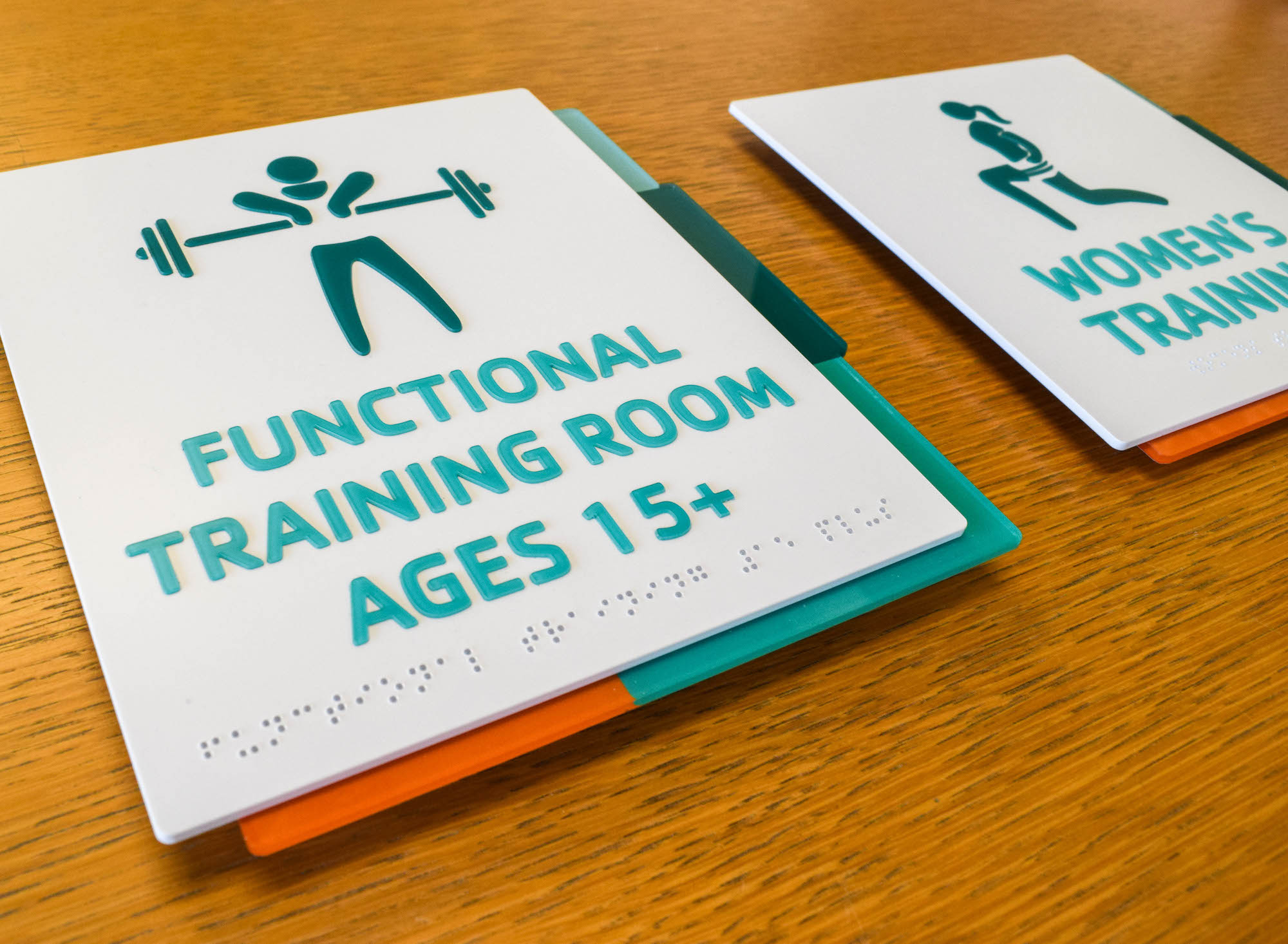
Multi-tenant projects—think plazas, office buildings, or medical complexes—are where signage can either shine or turn into chaos. One recent project showed exactly how much difference detailed drawings can make. The Challenge: Too Many Tenants, Not Enough Clarity The property owner needed a full signage package: The initial concept art looked good, but there were gaps…
-
ADA Basics for Interior Signage: What You Really Need to Know
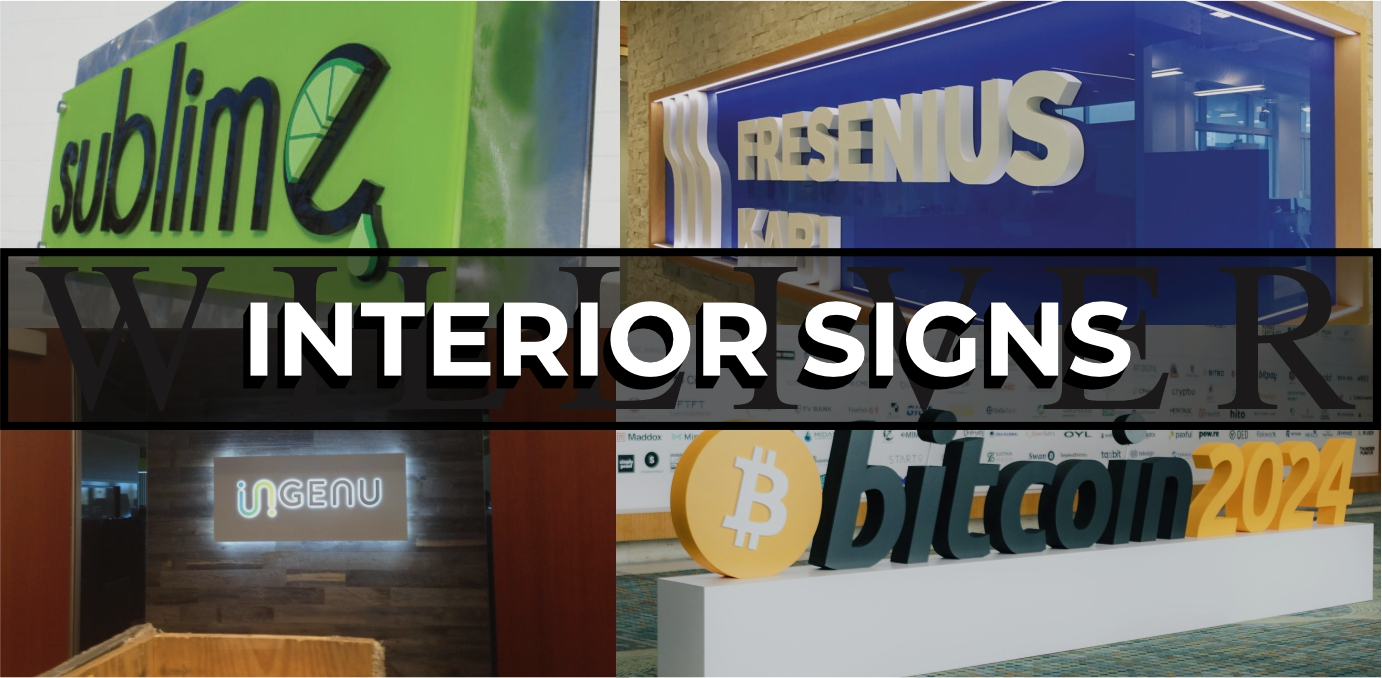
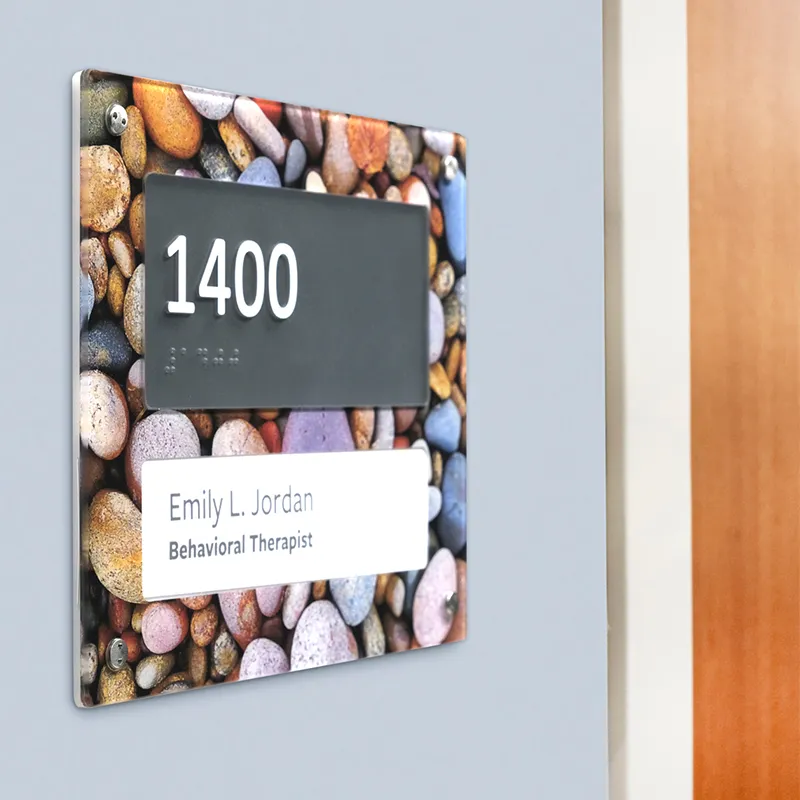
ADA signage can feel intimidating, but the basics are straightforward once you know what to look for. Our job is to make sure your interior signage is not only beautiful, but accessible and compliant. Where ADA Signs Are Typically Required In most buildings, you’ll see ADA-compliant signs for: Not every sign in a building needs…