Ask anyone who has closed out a construction project: unclear signage is one of those lingering issues that shows up late and costs more than it should. Clear, well-coordinated sign packages change that.
Where Signage Typically Falls Apart
On many projects, signage gets pushed to the end. That can lead to:
- Incomplete or generic sign schedules
- Conflicting room names between plans and specifications
- No mounting or structural details
- Confusion over who is responsible for what
The result? RFIs, last-minute substitutions, change orders, and frustrated teams.
What a Clear Sign Package Includes
A strong signage drawing set gives everyone the same playbook. At minimum, that usually means:
- Sign type sheets with dimensions, materials, and mounting
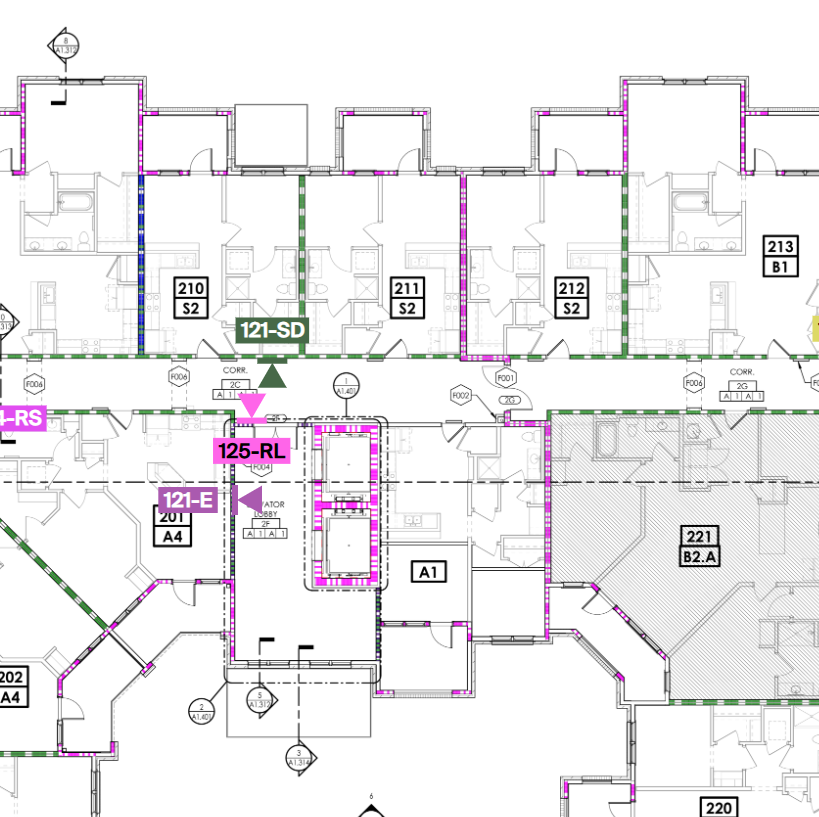
- Location plans that show exactly where each sign goes
- Message schedules that tie sign types to room names and numbers
- Code/ADA notes that clarify compliance requirements
When those pieces are aligned, RFIs drop dramatically because there’s simply less ambiguity.
The Impact on RFIs and Change Orders
With a clear sign package in place, you’ll see:
- Fewer “what does this mean?” questions from the field
- Less rework when a sign doesn’t fit or meet code
- More predictable pricing from fabricators and subs
- Smoother coordination between owner, architect, GC, and sign vendor
For GCs, that means tighter schedules and fewer surprises. For architects, it means protecting design intent and reducing back-end coordination time.
How We Support Your Team
We step in as the signage specialist so your team doesn’t have to carry the full load. That includes:
- Translating design intent into detailed drawings
- Coordinating signage with architectural details and MEP
- Reviewing shop drawings from fabricators when needed
Our goal is to be the piece that keeps signage off your problem list—and off your change order log.