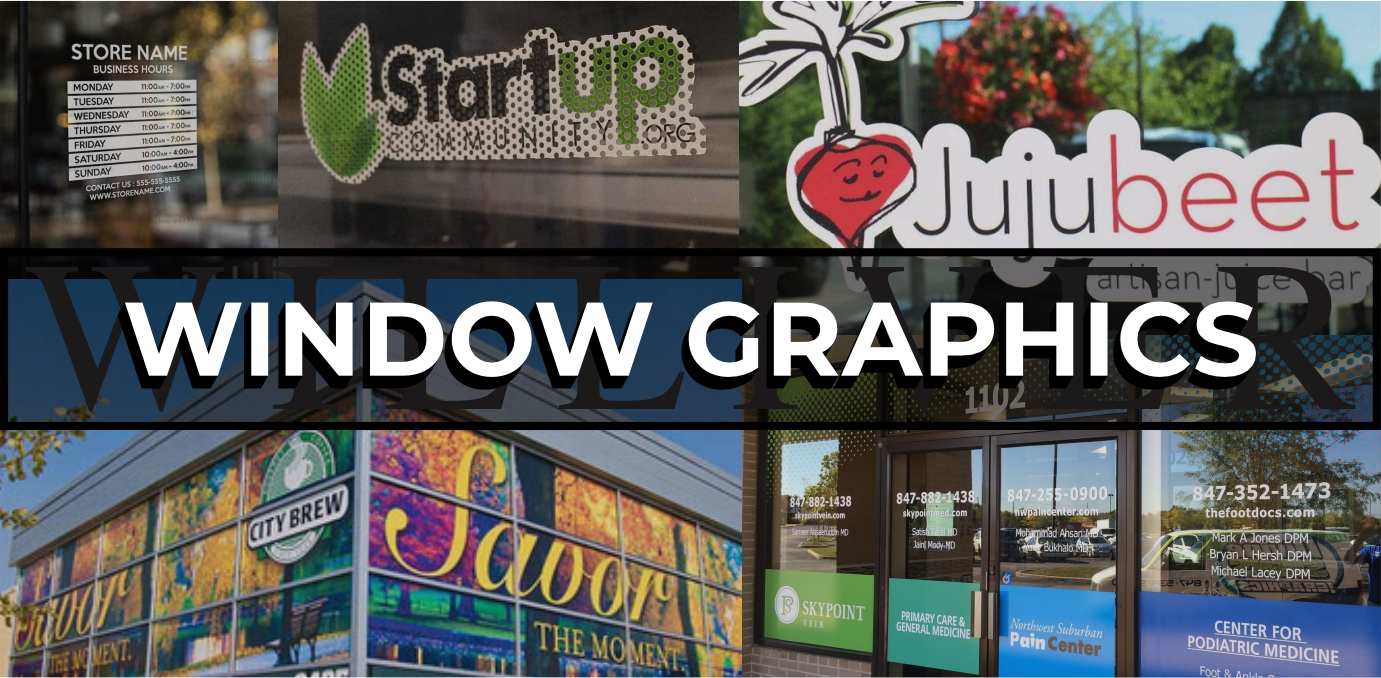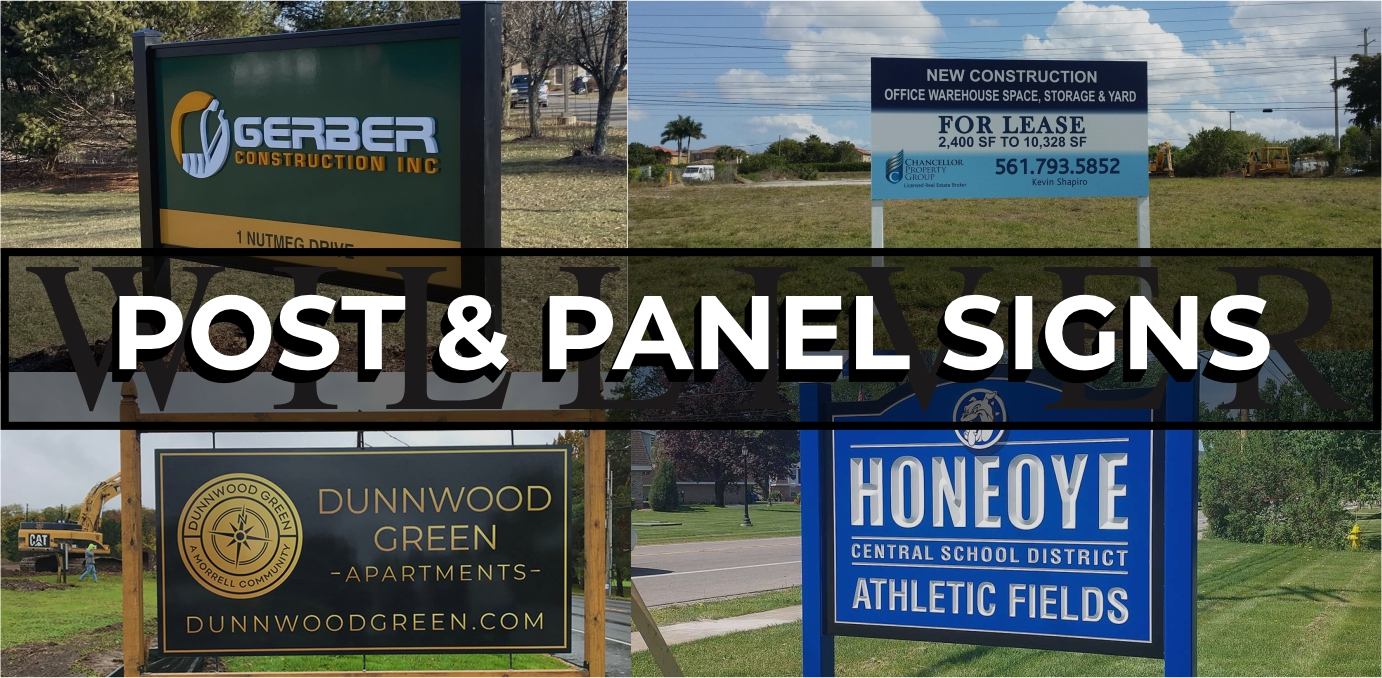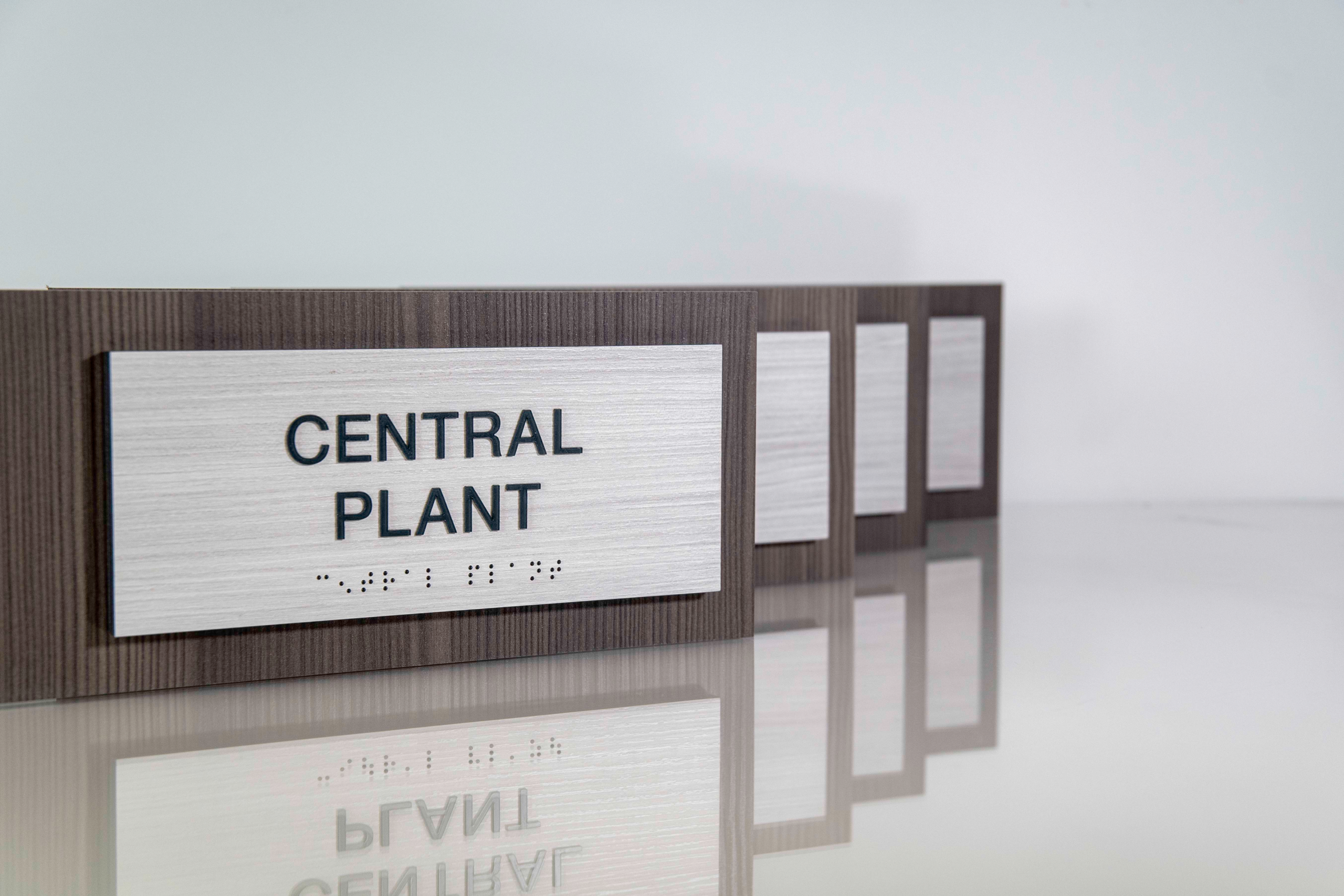
When most people see a finished sign, they see a logo on a wall. We see the trail of decisions that got it there. At Signitects, every sign starts with a concept that balances brand, architecture, and reality in the field—and that process is where the magic (and the strategy) lives.
Step 1: Understand the Space and the Story
Before we draw anything, we look at the environment and the brand story.
- What type of building is this—healthcare, corporate, hospitality, retail?
- How do people move through the space?
- What does the brand need to feel like in person—bold, calm, elevated, playful?
This gives us the framework for everything else: scale, placement, materials, lighting, and tone.
Step 2: Turn Ideas into Rough Concepts
Next, we translate that story into early sign concepts—nothing overly polished yet. Think sketches, simple elevations, and quick callouts. This is where we explore:
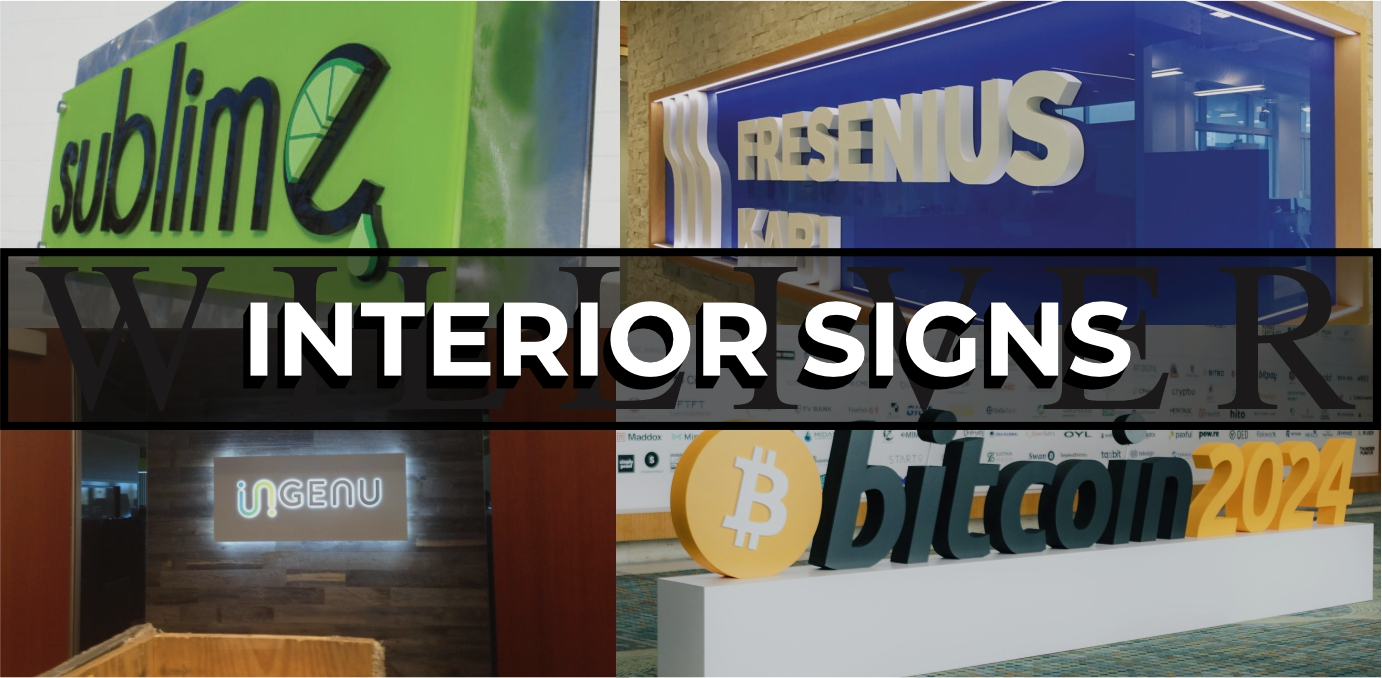
- 3D letters vs. flat panels
- Backlit vs. front-lit vs. non-illuminated
- How signage lines up with key sightlines and architectural features
The goal is to quickly test ideas so we don’t waste time detailing the wrong direction.
Step 3: Align with Architecture and Code
Once a direction feels right, we make sure it plays nicely with both the building and the rules. We review:
- Wall types and structural conditions
- Clearances, mounting heights, and ADA requirements
- Utility locations that affect lighting and power
If a concept doesn’t work in the real world, we adjust it now—not in the field.
Step 4: Develop the Detailed Drawings
This is where the sketch becomes a working tool. We build out sign type sheets that include:
- Scaled drawings and dimensions
- Materials, finishes, and colors
- Mounting methods and hardware notes
- Any special fabrication details
By the end, the “idea” is no longer just pretty—it’s buildable, consistent, and ready to price.
Step 5: Refine with the Team
We loop in the architect, GC, and/or sign fabricator to review the set and make smart adjustments. That collaboration is what keeps everyone aligned and prevents surprises later.
From the first sketch to the final install, our job is to make sure every sign feels intentional, on-brand, and completely grounded in real-world conditions.