Choosing the right sign material isn’t just about looks—it affects cost, durability, maintenance, and even how your brand is perceived. Three of the most common materials in architectural signage are aluminum, steel, and acrylic. Each has a lane where it shines.
Aluminum: Lightweight and Versatile
Aluminum is the workhorse of exterior and interior signage. It’s:
- Rust-resistant, so it performs well outdoors
- Lightweight, which makes installation easier and often cheaper
- Highly adaptable, with paint, powder coat, and print options
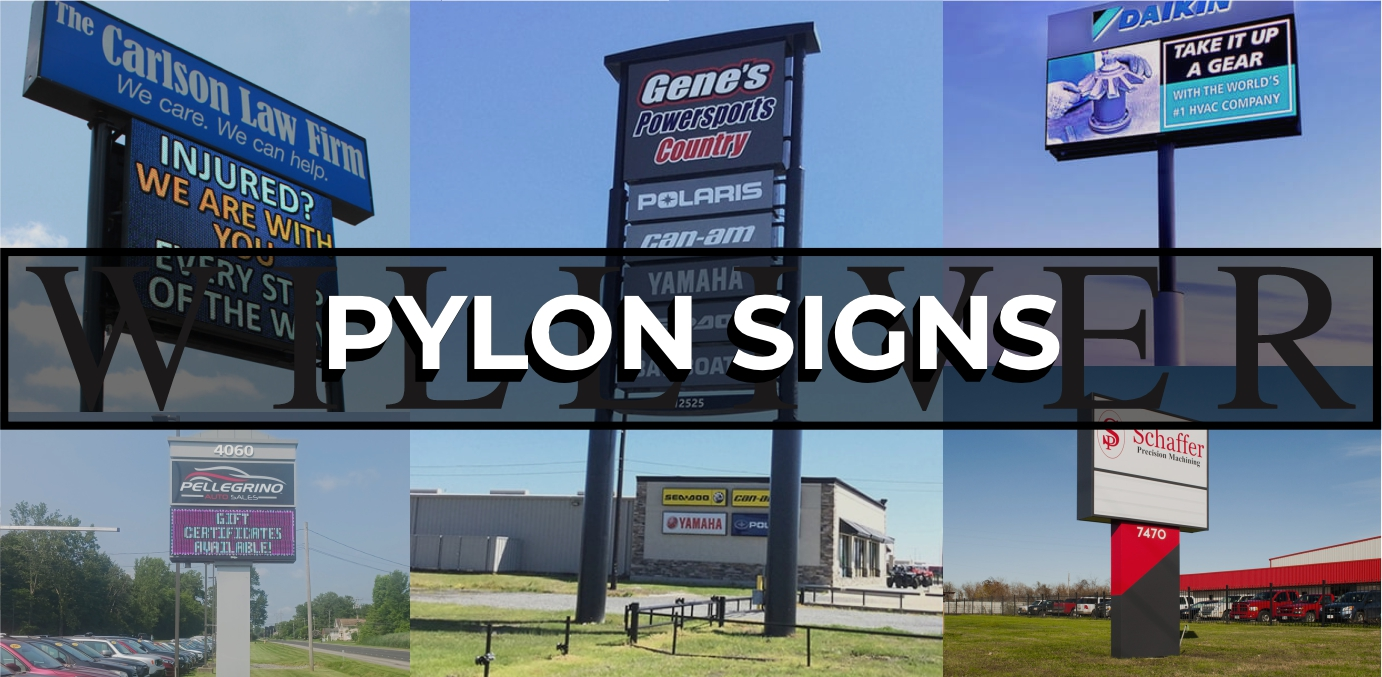
Best for: building identification signs, panels, cabinets, parking signs, and systems where weight is a concern.
Steel: Strong and Architectural
Steel brings a heavier, more structural feel. It’s:
- Extremely strong, great where rigidity is key
- Ideal for exposed, industrial, or high-end architectural looks
- Often paired with powder coatings or specialty finishes
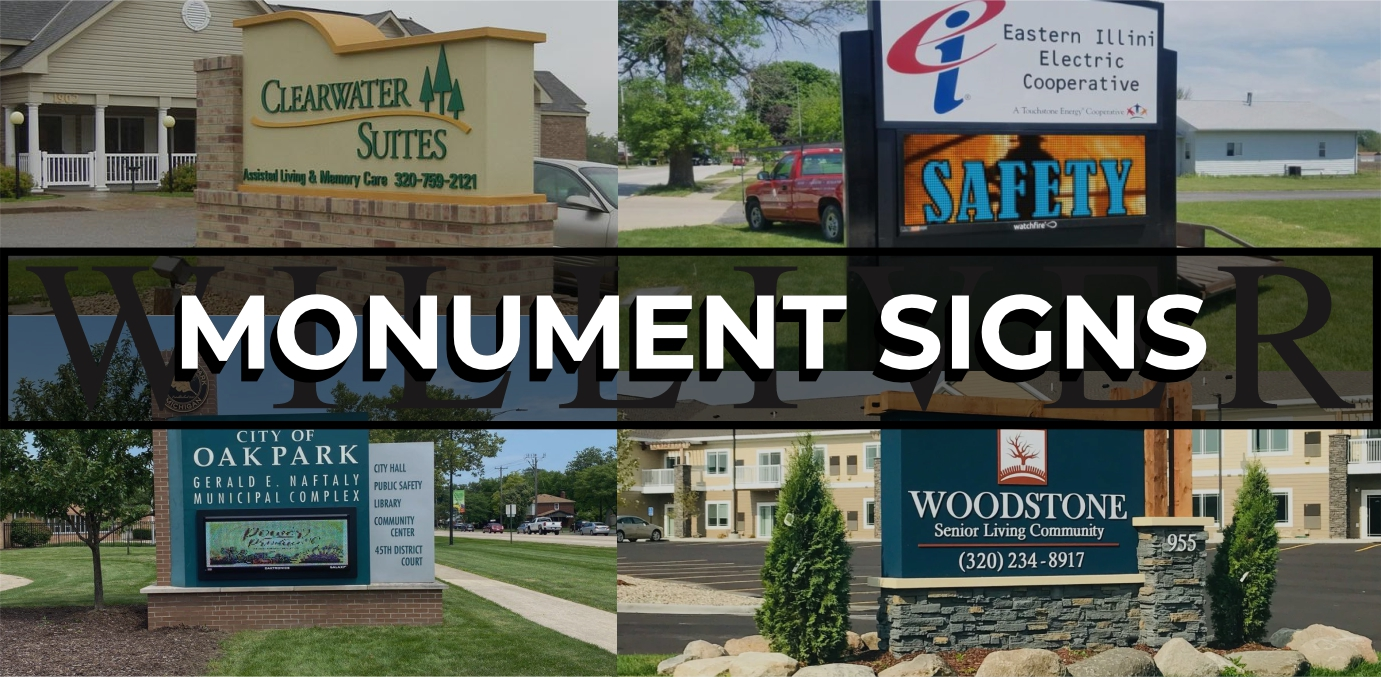
Best for: large monuments, structural frames, high-impact exterior pieces, and projects where you want a more substantial presence.
Acrylic: Clean, Modern, and Precise
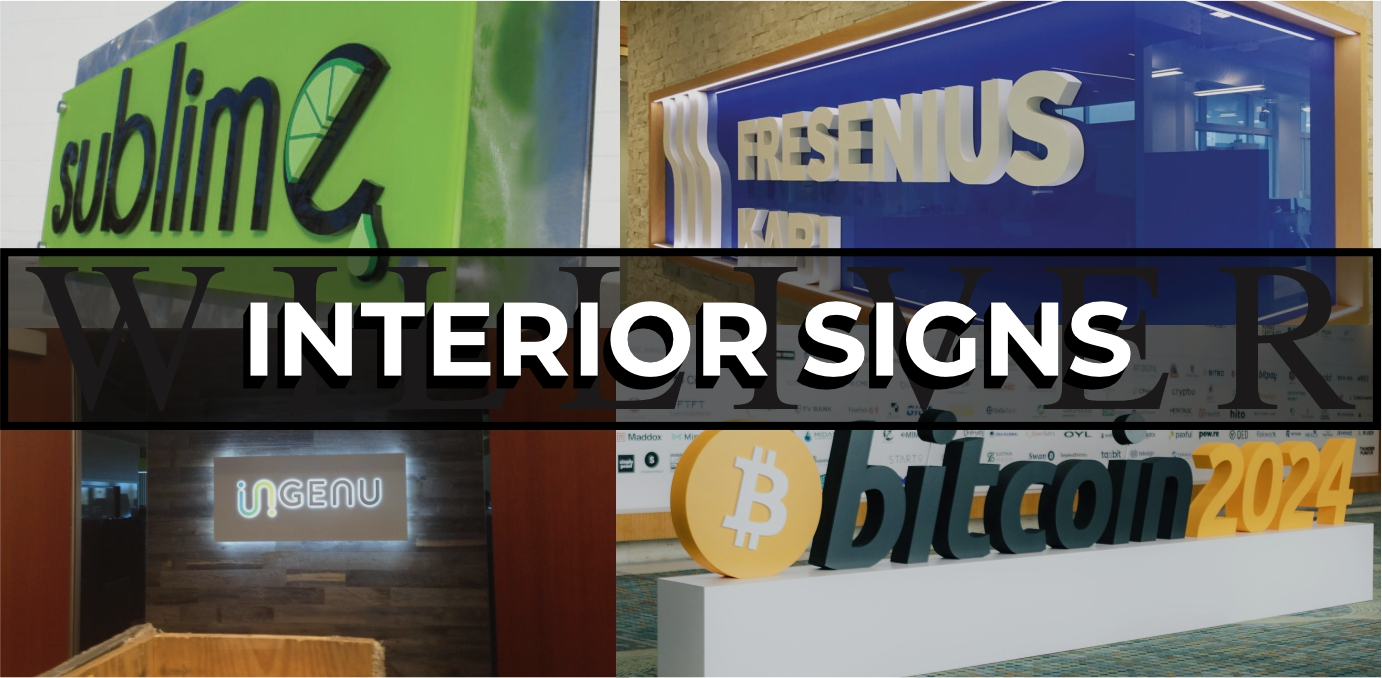
Acrylic is a favorite for crisp, modern interior signage. It’s:
- Excellent for routed, laser-cut letters and shapes
- Great with applied vinyl, subsurface print, or dimensional effects
- Perfect for back-painted panels, room IDs, and feature walls
Best for: interior branding, wayfinding, ADA layers, and illuminated faces when paired with other materials.
It’s Not Just One Material—It’s the System
In reality, most projects use a mix: aluminum for structure, acrylic for faces, steel where strength is needed, plus hardware and lighting layered in.
That’s why our drawing sets don’t just say “metal sign” or “acrylic plaque.” We call out exactly what’s required—materials, thicknesses, finishes, and mounting—so architects, GCs, and fabricators all know what they’re working with and why.